
Shoulder pain often follows a frustrating pattern. The discomfort appears, you rest for a few days, apply a heat pack, take pain medication, or avoid certain movements, and the pain gradually settles. For a while, everything seems fine. Then, weeks or months later, the same pain returns.
This recurring cycle can make everyday activities surprisingly difficult. Reaching into an overhead cupboard, putting on a shirt, fastening a seat belt, lifting groceries, or sleeping on one side may all become uncomfortable.
When pain keeps returning, it is easy to assume that age, overuse, or simple bad luck is to blame. In reality, recurring shoulder pain is often a sign that the underlying contributors have not yet been fully addressed. Rather than viewing pain as an isolated problem, it is helpful to see it as your body's way of signalling that something in your movement system deserves closer attention.
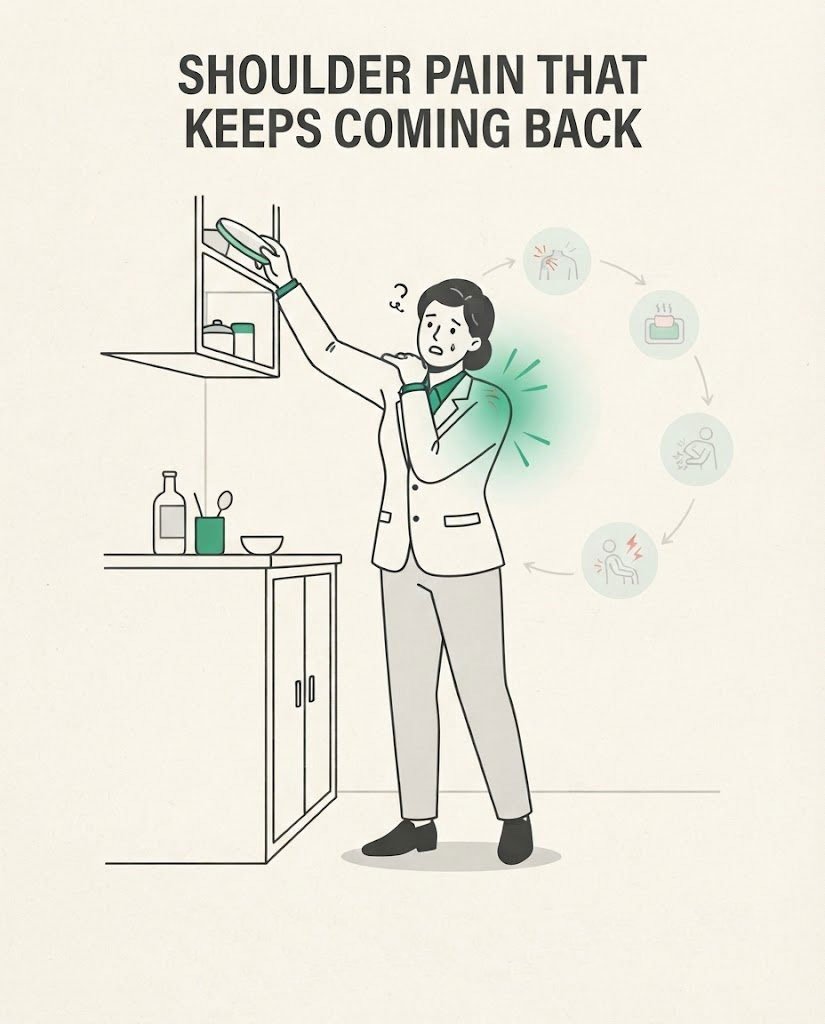
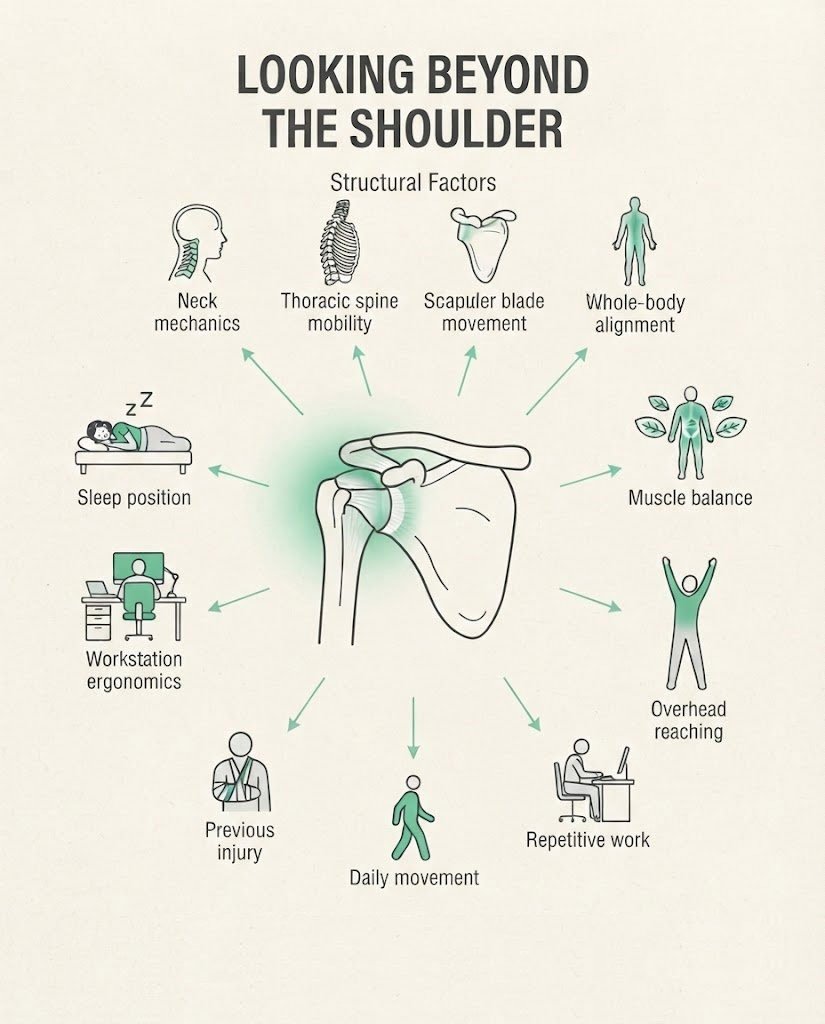
Although the pain is felt in the shoulder, the shoulder rarely works alone. It functions as part of an integrated movement system involving the neck, shoulder blade, upper back, rib cage, and trunk. Efficient shoulder movement depends on all of these regions working together.
Many different factors may contribute to persistent shoulder pain, including:
Every individual has a unique combination of work demands, lifestyle habits, previous injuries, and movement patterns. Because of this, two people with similar shoulder pain may have very different contributing factors.
Understanding these influences is often the first step toward lasting improvement.
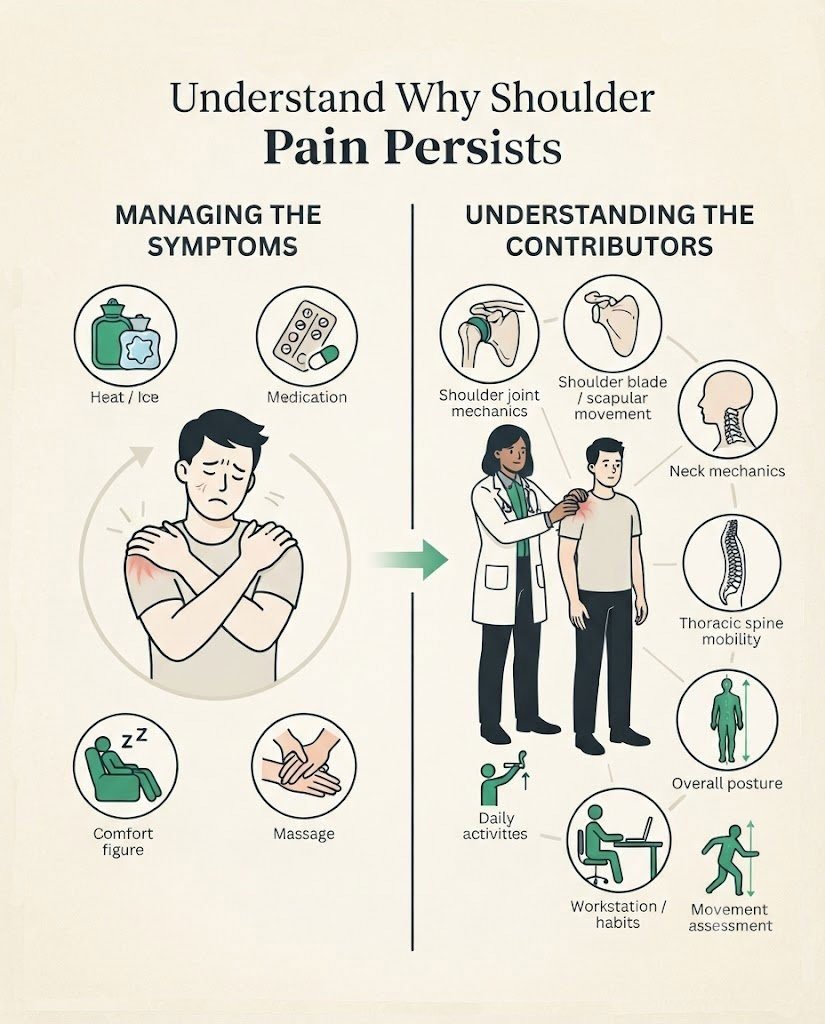
When shoulder pain develops, most people naturally focus on reducing the symptoms. Rest, heat or ice, pain medication, massage, and gentle exercises can all provide valuable short-term relief. In many situations, these approaches are appropriate and helpful.
However, if the factors contributing to the pain remain unchanged, symptoms often return once normal daily activities resume.
A comprehensive assessment looks beyond the painful shoulder itself. It considers how the entire upper body moves together by evaluating:
Rather than searching for one single cause, this broader approach helps identify the combination of factors that may be contributing to persistent shoulder pain. This provides a clearer foundation for planning effective long-term management.
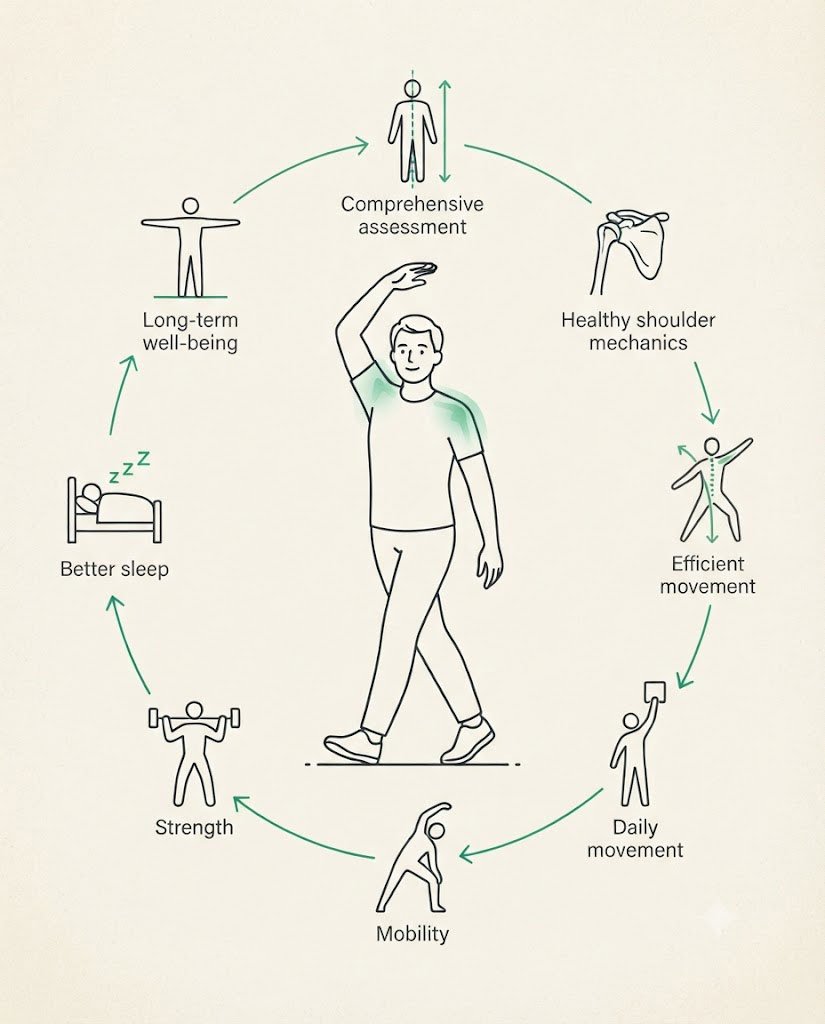
Persistent shoulder pain is not simply something to tolerate or repeatedly cover up with temporary solutions. It is a signal that deserves careful evaluation.
While symptoms occur in the shoulder, the contributing factors may involve how your entire body moves and functions. Understanding those contributors is often more valuable than focusing on the painful area alone.
If shoulder pain keeps returning, limits your daily activities, or affects your quality of life, a professional assessment can help identify the factors contributing to your symptoms and guide an appropriate management plan.
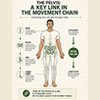
How your pelvis influences your entire body?

Does good posture mean sitting perfectly straight?
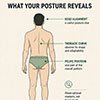

Why Do Your Muscles Always Feel Tight?

Understand Why Shoulder Pain Persists

Why Does Your Head Sit Too Far Forward? What Your Posture May Be Telling You

One Shoulder Higher Than the Other? What Your Posture May Be Telling You

Does More Pain Always Mean More Damage?

Decode Your Eyes: What Are They Trying to Tell You?

Why Do You Keep Waking Between 2 AM and 4 AM?

Why Your Neck Pain Keeps Coming Back

Should You Rest When You're in Pain?

Decode Your Tongue: What Is It Trying to Tell You?


© 2021 AeAON – Arihant Ekata Aadya Omkara Namah. All Rights Reserved.